Seasonal Guide: Photographing Bluebell Woods at Historic Estates
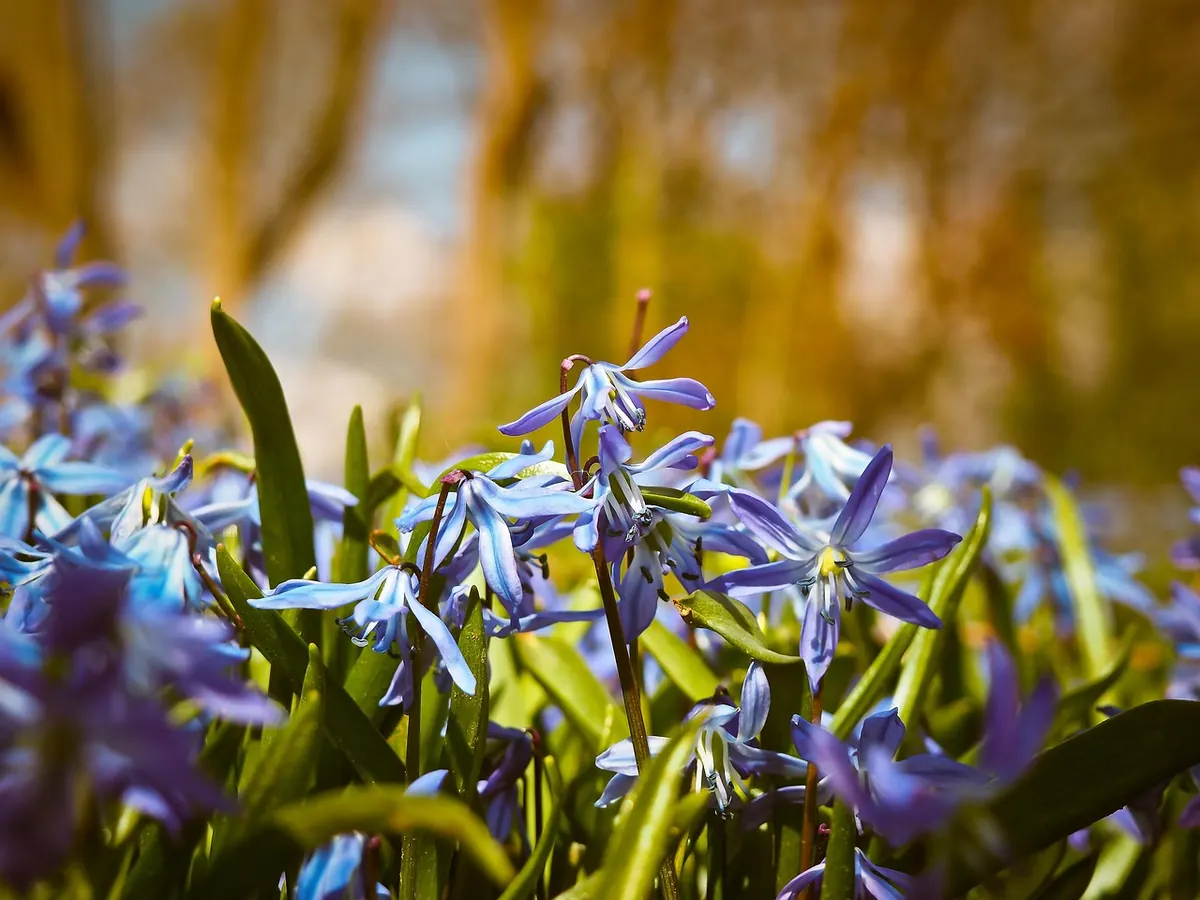
Bluebell woods keep a strict diary. For two or three weeks in spring the floor of an old estate wood turns a blue that cameras struggle with, and then it is gone for another year. The difference between a disappointing purple smudge and a frame worth printing is mostly preparation: knowing when to go, how to read light, and how to compose a carpet of blue without turning it into a muddy purple mush.
Historic estates are some of the best places to chase that narrow window. Ancient woodland, managed paths, mature oaks and beeches, mossy walls, follies, deer parks: all of these give the bluebells context. They also bring crowds, fragile ground, and a few visual traps. This guide is about working with all three.
Bluebells usually peak from late April to mid-May in the UK, but the exact week shifts with latitude, altitude, aspect and weather. In the south and west, warm springs can push them forward; in the north and east, cool shade can hold them back. A historic estate often has its own microclimate. A south-facing slope beside a wall may be a week ahead of a damp hollow deeper in the wood.
In the UK, native bluebell (Hyacinthoides non-scripta) typically appears after the first real warmth and before the canopy closes over. Spanish and hybrid bluebells can show up earlier and stand more upright, so if you want that classic arching, nodding native look, check what grows on the estate before you plan a trip.
Don’t rely on a single date. Follow the estate’s social media, call the garden office, or ask a local wildlife trust. Then visit weekly from the first signs. A wood can be 20 percent open, 60 percent peak, and then 90 percent blue with fading leaves. Peak is not always best. Early bluebells with fresh green leaves and fewer visitors can be cleaner; late bluebells with longer grass can look like an Impressionist painting.
Peak blue is not a date. It is a combination of temperature, rainfall, shade and the estate’s own microclimate.
Historic estates offer layers that a plain woodland cannot: avenues, lakes, ruins, stone bridges, wrought-iron gates, church towers, deer. Look for places where bluebells meet architecture. That contrast tells a story. A crumbling wall rising out of blue, or a gravel path curving through a blue carpet, can be stronger than another close-up of flowers.
Time of day matters more than most people expect. Avoid midday sun. Bluebells reflect blue but also UV; harsh light blows out highlights and makes purples look magenta or electric. The best light is early morning after sunrise, or late afternoon and evening. Overcast weather is excellent: soft, even light, saturated colour, no hard shadows. Light rain can be good too, giving glossy leaves and empty paths. Misty mornings are magic, with bluebells receding into atmosphere and trees turning into silhouettes.
If you must shoot at midday, look for shade. Use a polarising filter to manage glare and deepen blue, but use it carefully. Too much polarisation can darken the bluebells until they lose detail and look almost black. Bracket your exposures so you have options later.
Blue is tricky. Cameras see bluebells as blue-violet, and white balance can swing from cold to warm. Shoot RAW. Set white balance to Daylight or Cloudy depending on the scene, then fine-tune in post. Do not just crank saturation. That creates electric purple. Use HSL controls: shift blue and aqua toward blue, reduce magenta and purple, and darken the blues slightly with luminance. Protect the highlights in the leaves.
Expose for the highlights. A bluebell carpet can be bright, and the sky through the trees is brighter still. Use a graduated neutral density filter, bracket exposures, or simply compose without sky. If you include sky, blend exposures or use HDR. A tripod gives you consistent framing and lets you shoot in low light. A remote release or two-second timer prevents shake.
Start with aperture f/8 to f/11 for depth of field. Focus a third of the way into the scene. For close-ups, focus stacking can keep the whole flower sharp. Keep ISO low, around 100 to 400. Watch your shutter speed because bluebells move in the breeze. Use 1/60 second or faster for sharp flowers, or embrace a slower shutter for a soft, painterly blur.
The classic shot is a low angle, a path leading through blue, and trees arching overhead. But it is easy to make a flat purple carpet. Add depth: foreground leaves, midground blue, background trunks. Use a wide-angle lens close to the ground, or a telephoto lens to compress patterns and isolate details.
Look for leading lines: paths, fallen logs, fences, streams. Use them to draw the eye. Add a focal point: a single pale bluebell, a foxglove, a fallen branch, a stone marker, or a distant deer. Including people can give scale and story, but check estate rules and privacy. A distant figure in a red coat can work beautifully. If crowds are a problem, go early or use a long exposure to blur them into ghosts.
Do not trample. Stay on paths. Use a long lens or zoom to get close-ups without stepping into the blue. Many estates ask visitors to keep to paths during bluebell season. Some fence off areas. Respect every closure, even if the light looks perfect just beyond the rope.
Starting settings: RAW, ISO 100-400, f/8, aperture priority, evaluative metering, Daylight white balance. Check the RGB histogram, not just the brightness histogram. Bluebells can clip in the blue channel before they look overexposed on the back screen.
First, correct white balance. Bluebells should be blue-violet, not electric blue or magenta. Use a grey card or sample from a neutral stone. Then adjust exposure, recover highlights and lift shadows. Use HSL selectively. For blue, shift hue slightly toward blue, add modest saturation of +5 to +15, and reduce luminance by -5 to -15. For green, keep leaves fresh but avoid acid yellow. Add clarity or texture sparingly. If you used mist, dehaze carefully, or you will kill the atmosphere.
Sharpening should be local. Noise reduction matters if you shot at high ISO. If you plan to print, soft-proof first. Blues are hard to print, and a print will usually look darker than your screen. Test a small print before you commit to a large one.
Bluebells are protected in many places. In the UK, native bluebells are protected under Schedule 8 of the Wildlife and Countryside Act, and digging up bulbs is illegal. Do not pick, trample or lie in the flowers. A crushed bluebell may not recover. Stay on paths. Keep dogs on leads. Do not use drones unless you have permission. Some estates charge for commercial photography, so check in advance. If you are shooting for a magazine or a client, get a permit.
Be considerate of other visitors too. Tripods can block narrow paths. Move aside. Do not set up in the middle of a trail for an hour while everyone waits. The best woodland photographers are often the least visible.
Bluebell season is short, but that is part of its power. A historic estate gives you more than flowers: it gives you context, architecture and a sense of time. Go slowly. Listen to the wood. Come back on a different morning. The blue will change, and so will your photograph.
Photo: 652234 / Pixabay
Previous Post
Common Mistakes in Local History Photography (and How to Fix Them)
Next Post
How to Date a Building from Its Bricks and Windows