How to Research the History of a Local Landmark: A Step-by-Step Guide
A brick terrace with an odd blocked doorway. A chapel now trading as a carpet showroom. A farmhouse whose datestone reads 1712 but whose roof says something later. Almost every settlement in Mercia has a building like this, and almost every one of them has a paper trail — if you know which documents to reach for first and which to leave until last.
The order matters. Start with the easy, printed material and work towards the difficult handwriting, and you will spend your time confirming hunches rather than chasing them. Here is the sequence that archivists and local historians tend to follow.
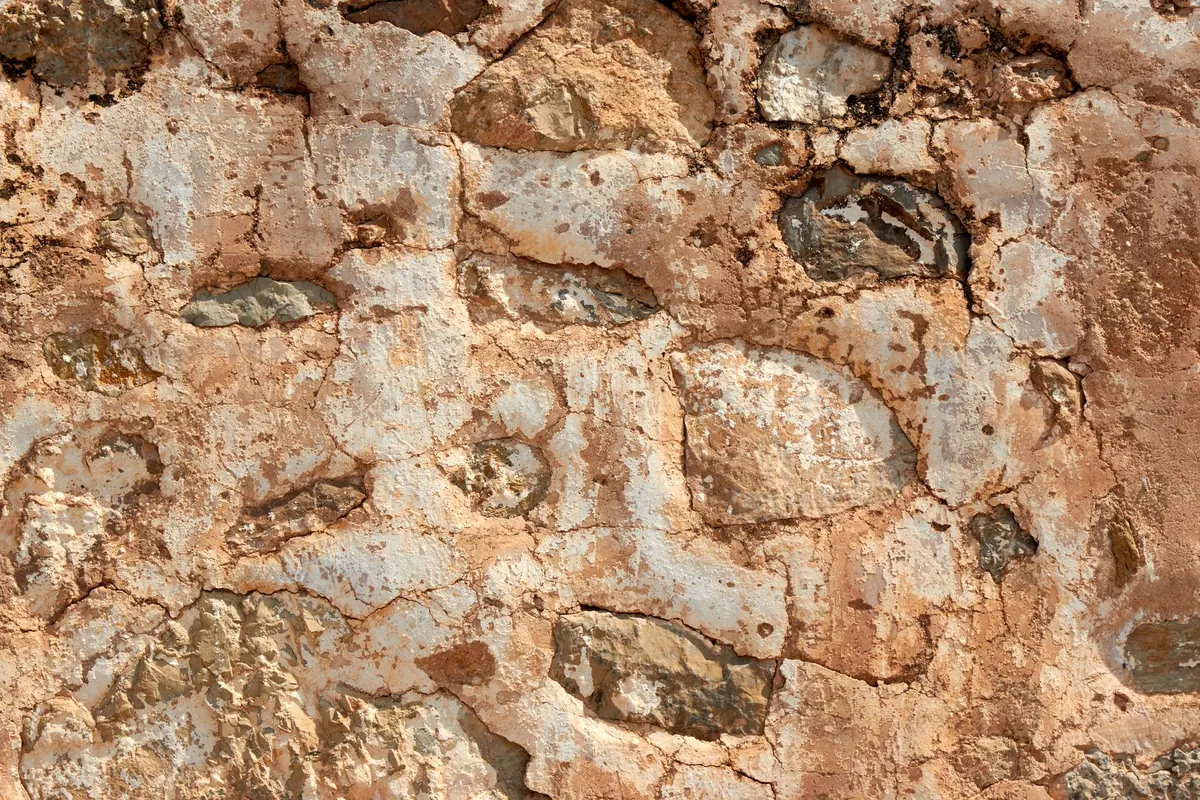
Before you open a single document, look at the building properly. Walk around it, photograph every elevation, and note the things that are easy to miss: blocked windows, changes in brick colour, a roof line that steps down, ironwork, rainwater heads, boundary walls, the position of the well or the privy. Step back and look at how it sits in the landscape — facing the church, gable-end to the road, aligned with a canal or an old lane.
Photograph details as well as the whole. A rainwater head with initials and a year, a carved lintel, a benchmark cut into the brickwork by an Ordnance Survey leveller — these small marks often give you a date to work with and a name to search. Record the date you took each photograph and the direction you were facing; in six months you will not remember.
Somebody has usually been here before you. If the building is listed, the official list entry is free to search and often gives a date, a former use and occasionally the name of the builder. Your county's Historic Environment Record holds archaeological and building reports, and the Victoria County History volumes cover many parishes in detail. Add the relevant Buildings of England volume, any parish or village history, and the conservation area appraisal produced by the local planning authority.
Treat all of it as a starting point rather than a verdict. Local histories borrow from each other, and an error from 1905 can still be repeated in a leaflet printed last year. What these sources are genuinely good for is references: a footnote pointing to a deed, a will or a map is a gift.
Maps are how you turn a building into a story with dates attached. Work from the present into the past, because each earlier map is harder to read and you will need the landmarks you already know.
Field names deserve a second look. A close called Chapel Field, Kiln Piece or Mill Holme is telling you what stood nearby long before the present building.
Buildings have occupants, and occupants generate paper. Census returns from 1841 to 1921 give households, ages and occupations every ten years. Trade directories, such as the old county series, list shopkeepers, publicans and craftsmen street by street and can show when a business started or disappeared. Parish registers record baptisms, marriages and burials; rate books and land tax returns show who was paying for what.
Wills, probate inventories and deeds take you further back, though the handwriting gets harder and the Latin more common. Occupancy is not the same as ownership, so keep the two columns separate in your notes — a smith may have rented the same forge for forty years without ever owning a brick of it. If your questions concern who legally owns a property or rights over a boundary or path, take advice from a qualified solicitor rather than relying on historic documents.
This is the stage that turns a chain of names into something worth reading. Search the building name, the street name and the surnames you have collected in the British Newspaper Archive and in the local studies library's holdings. Auctions and sales particulars, inquests, fires, accidents, chapel openings, jubilee celebrations, planning rows and letters to the editor all leave traces.
Two warnings. Optical character recognition mangles old type, so try variants — Street, St., Str., and common misspellings of local surnames. And a newspaper is reporting what it was told, often at speed; treat a date or a name in a paper as a lead to check elsewhere, not as proof.
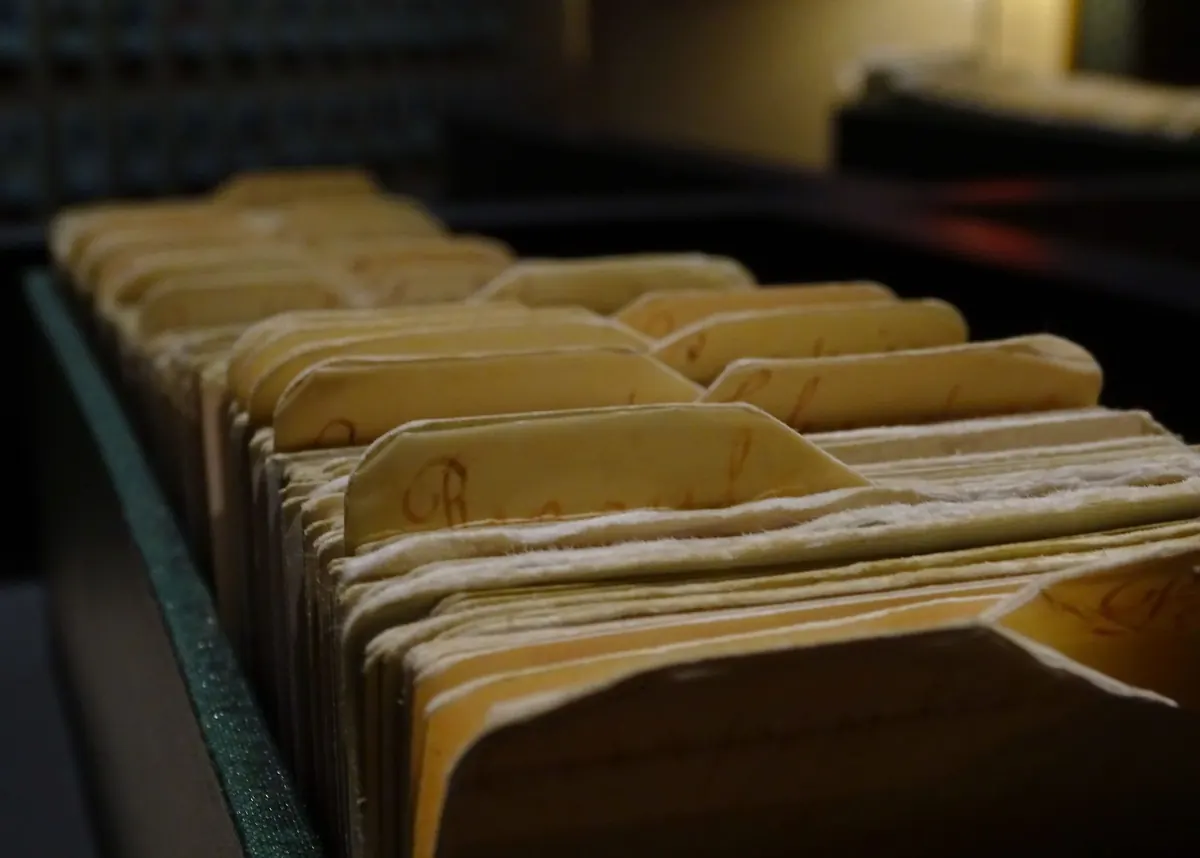
The single habit that separates a finished piece of research from a shoebox of photographs is consistent note-taking. For every item, write down the archive or website, the full document reference, the date you consulted it, what it said, and the page or image number. Keep the same details in your file names.
Note the conditions of each repository as well. Many record offices allow photography with a day permit, but publication of an image usually needs permission from the office or the copyright holder, so ask before you plan to reproduce anything. Back up your photographs and notes in two places, and keep a running list of questions you have not yet answered — that list will direct your next visit.
Eventually you will hit a wall that no online search will move. That is the moment to talk to a human. County record office staff and local studies librarians know their collections in detail and can suggest a class of documents you would never have thought to ask for. Local history societies often hold transcriptions, photographs and the accumulated knowledge of members who have been reading the same parish for decades.
Write up what you have, even if it is unfinished, and share it with the society or parish newsletter. Corrections arrive surprisingly quickly, and the person who has the missing photograph is usually the one who reads your piece over breakfast. Dead ends are normal — every researcher has them — and a tidy, well-referenced account of what you did find is a real contribution to your area's history, whoever picks it up next.
Photo: George Diamanto / Pexels
Previous Post
Beginner's Guide to Night Photography at Historic Landmarks
Next Post
A Checklist for Capturing Detailed Textures in Old Buildings